TOM at UCSD
Plywood Pediatric Wheelchair
A low-cost plywood wheelchair for young children, built by TOM at UCSD as an open-source alternative to commercial pediatric chairs.
- 2Children fitted with chairs
Overview
Alongside the 3D-printed wheelchair, TOM at UCSD built a plywood version of the pediatric chair for 2 patients with spina bifida. Plywood takes less specialized equipment to build, so more makers can produce it.
Why a second version?
A 3D-printed chair needs printers and long print times. Many makerspaces, schools, and community shops don’t have big print farms, but they do have a CNC router or a jigsaw and a sheet of plywood. A plywood version opens the design to many more builders and gives families another option.
Design
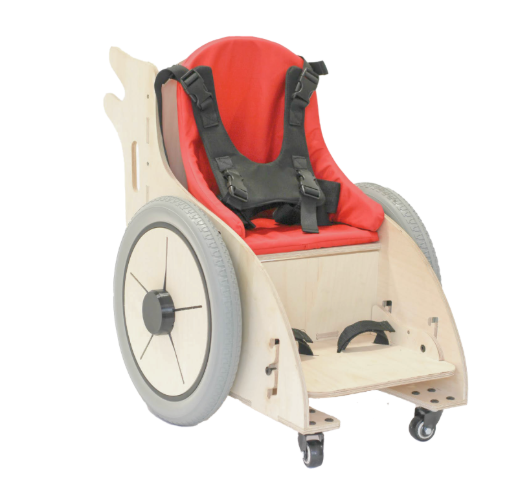
- Slot-and-tab construction: the frame is flat panels that interlock, so it can be cut from sheet stock and assembled with few fasteners.
- Curved side panels double as the structure and as side guards, keeping the child’s arms clear of the wheels.
- Padded seat and five-point harness for secure, supportive seating.
- Adjustable footrest: the slots in the side panels let the footrest move as the child grows.
- Large rear wheels and front casters, so the child can self-propel and turn tightly indoors.
What I did
- Built the chair from slotted plywood panels, with a padded seat, a five-point harness, and a footrest that adjusts as the child grows.
- Paired the plywood frame with large self-propel rear wheels and front casters.
Plywood vs. 3D-printed
| Plywood | 3D-printed (PETG) | |
|---|---|---|
| Main tools | CNC router or hand tools | FDM 3D printer |
| Build time | Hours of cutting and assembly | Long unattended prints, then assembly |
| Weight | Heavier | Lighter |
| Look & feel | Warm, furniture-like | Smooth, colorful, molded |
| Best for | Shops with woodworking tools | Makerspaces with printers |
Outcome
Two children with spina bifida received plywood chairs. Together with the 3D-printed version, this rounds out TOM’s open-source wheelchair program, so a family’s access to a chair doesn’t depend on what equipment their local makers have.
Related projects
Triton Robotics · 2023 – 2025
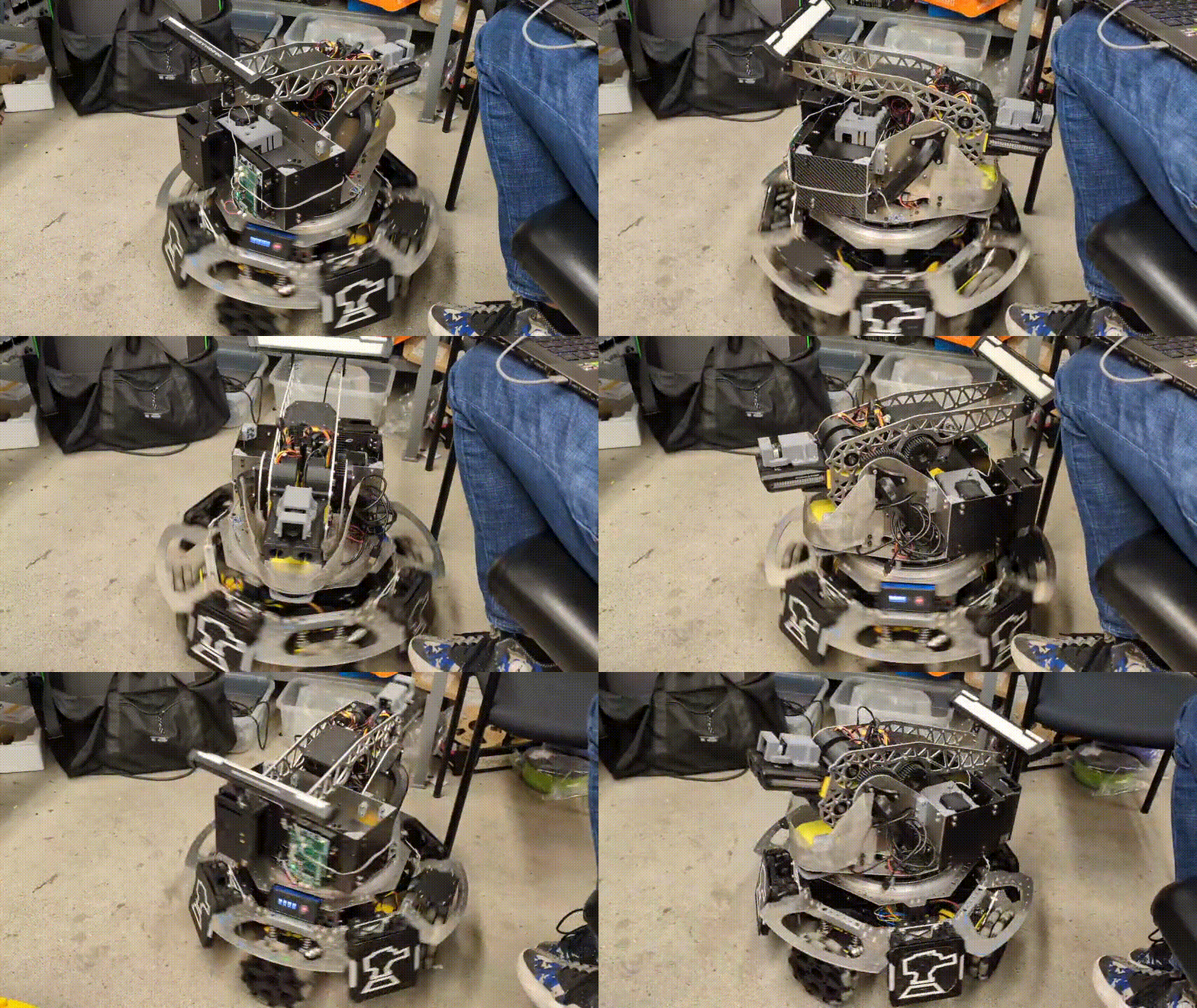
Sentry: Autonomous Mobile Turret
A redesigned, fully autonomous mobile turret for the DJI RoboMaster North America championships, ~50% lighter, with turret response 4× faster and Jetson-powered targeting.
UCSD Delson Engineering Lab · 2023 – 2024
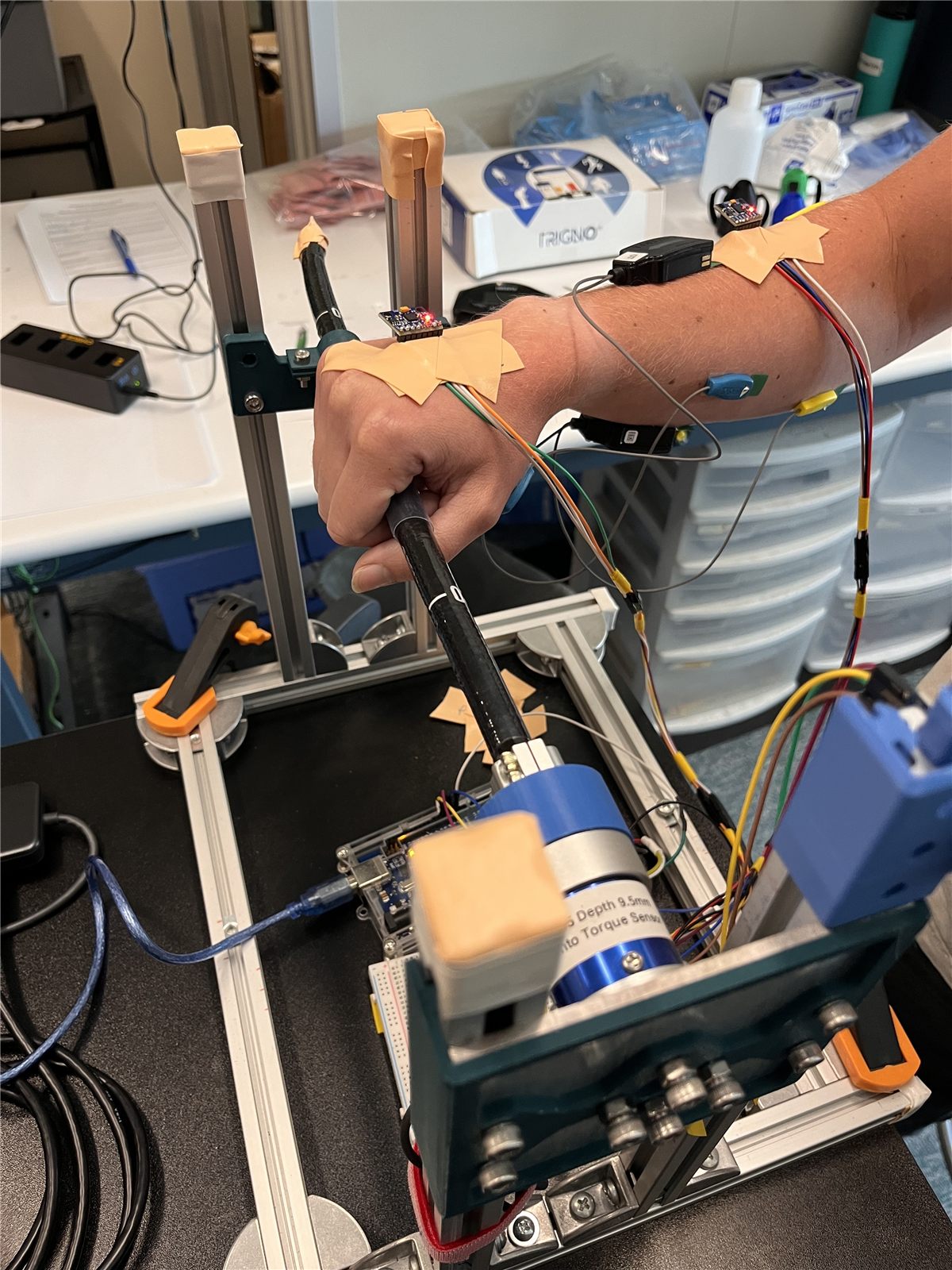
Colonoscope Manipulation Tools & Test Rig
External tools that make colonoscopes easier to handle, plus a portable rig for collecting torque and EMG data on a colonoscopy simulator.
TOM at UCSD · 2024 – 2025
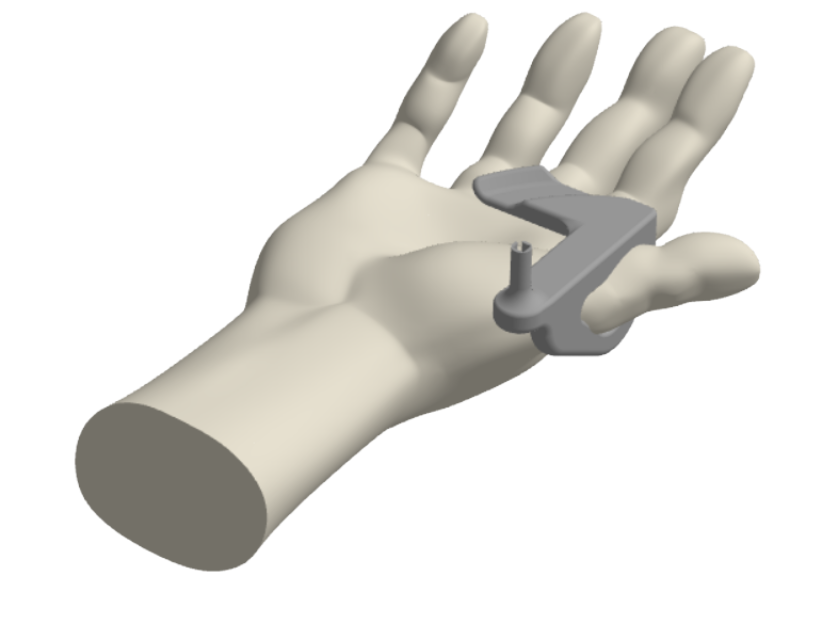
Hearing-Aid Handling Aid
A hand-worn clip that helps people with limited fine motor control hold and insert their own hearing aids.