TOM at UCSD
3D-Printed Pediatric Wheelchair
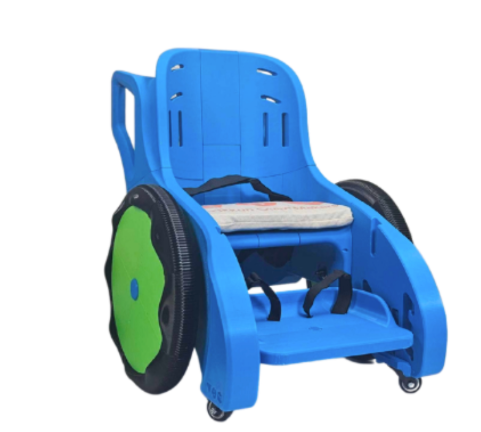
Custom 3D-printed wheelchairs for children with spina bifida, built with Rady Children's Hospital through the TOM organization I founded at UCSD.
- 8Wheelchairs delivered
- +3New family requests
Overview
TOM at UCSD built a 3D printed pediatric wheelchair for 8 patients with spina bifida. The PETG frame is very light, strong, an
The need
Young children with spina bifida often need a wheelchair before they’re old enough to fit commercial pediatric models. Those chairs are expensive, and kids outgrow them quickly. Insurance approval can take months, which is a long time in a toddler’s development. Being able to move independently early on matters for physical, cognitive, and social development.
Design requirements
| Requirement | Why |
|---|---|
| Lightweight | Small children need to be able to self-propel |
| Strong and durable | Daily use, bumps, and transport in cars |
| Low cost | Families shouldn’t have to wait on insurance |
| Printable on consumer printers | Anyone with a printer can reproduce it from the open-source files |
| Safe seating | Harness, side support, and a stable base to prevent tipping |
Design
The chair is printed in PETG. It’s tougher and more impact-resistant than PLA, handles warm cars better, and is still easy to print. The seat shell is a single contoured piece with integrated side supports. The large rear wheels are placed so a small child can reach the rims, and front casters let the chair turn tightly indoors.
What I did
- Led the organization, from finding community needs to delivering hardware.
- oversaw a team of
Fabrication & delivery
Partnering with Rady Children’s Hospital meant every chair was fitted to a specific child. The team printed and assembled the parts, checked each chair for fit and stability, and delivered them to families.
Outcome
The wheelchairs are currently still in use, we get frequents messages and videos from their users led to 3 more requests from families in the San Diego community. TOM also built a plywood version of the same chair.
What I took away
Designing for a real child is very different from designing for a spec sheet. Feedback from families, like how the chair fits in a car or whether a child can reach the wheels, shaped the design more than any calculation did.
Related projects
Triton Robotics · 2023 – 2025
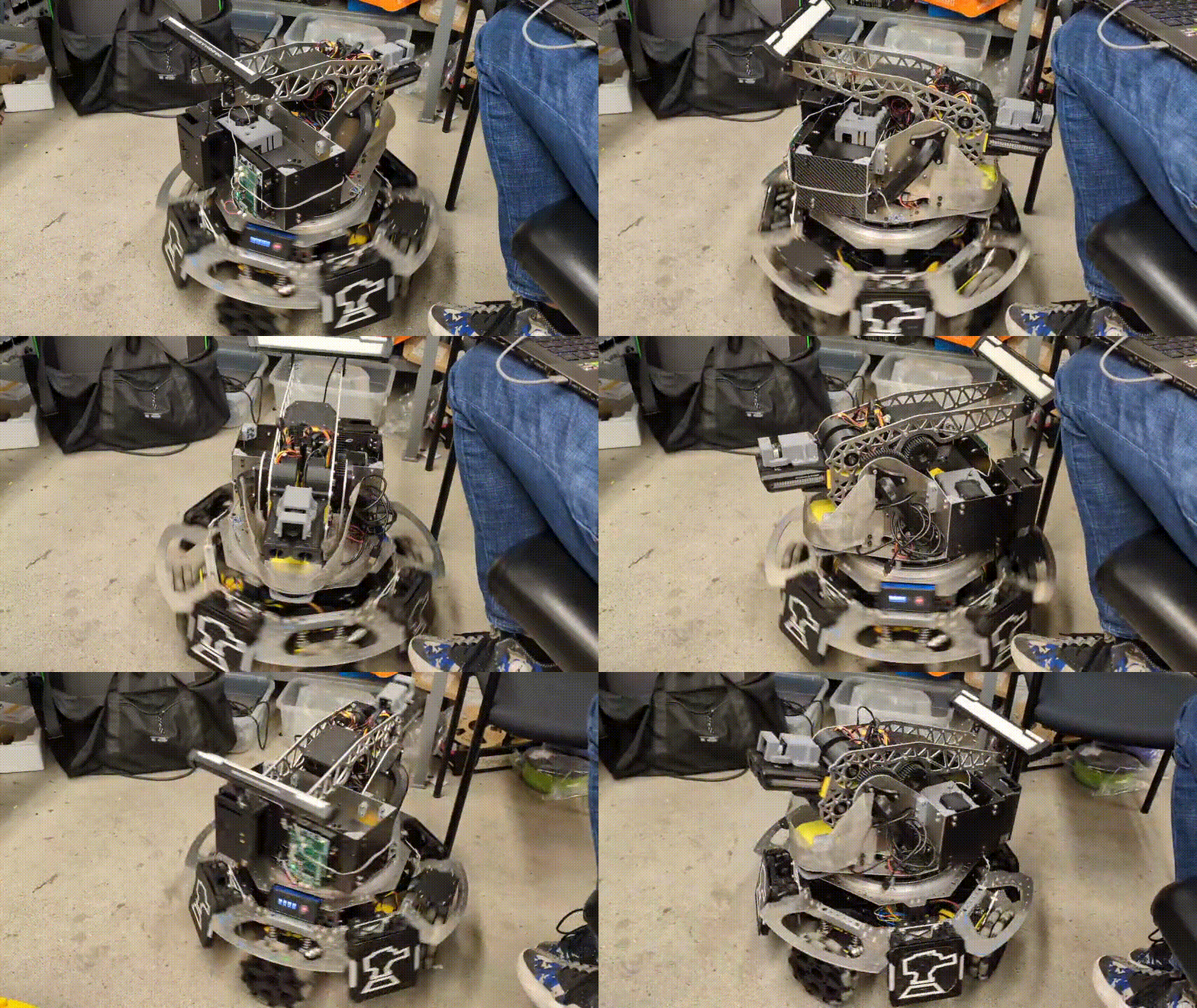
Sentry: Autonomous Mobile Turret
A redesigned, fully autonomous mobile turret for the DJI RoboMaster North America championships, ~50% lighter, with turret response 4× faster and Jetson-powered targeting.
UCSD Delson Engineering Lab · 2023 – 2024
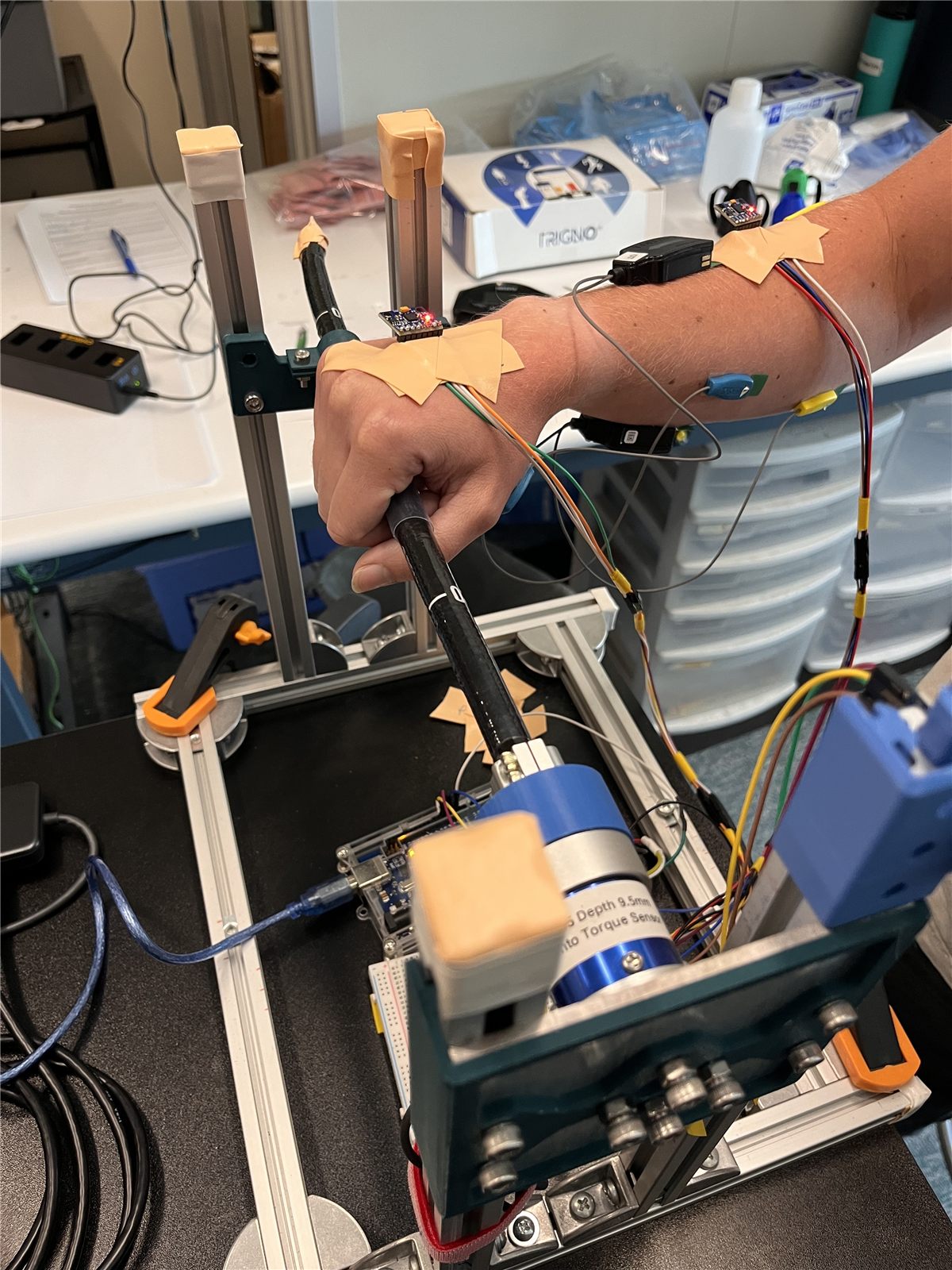
Colonoscope Manipulation Tools & Test Rig
External tools that make colonoscopes easier to handle, plus a portable rig for collecting torque and EMG data on a colonoscopy simulator.
TOM at UCSD · 2024 – 2025
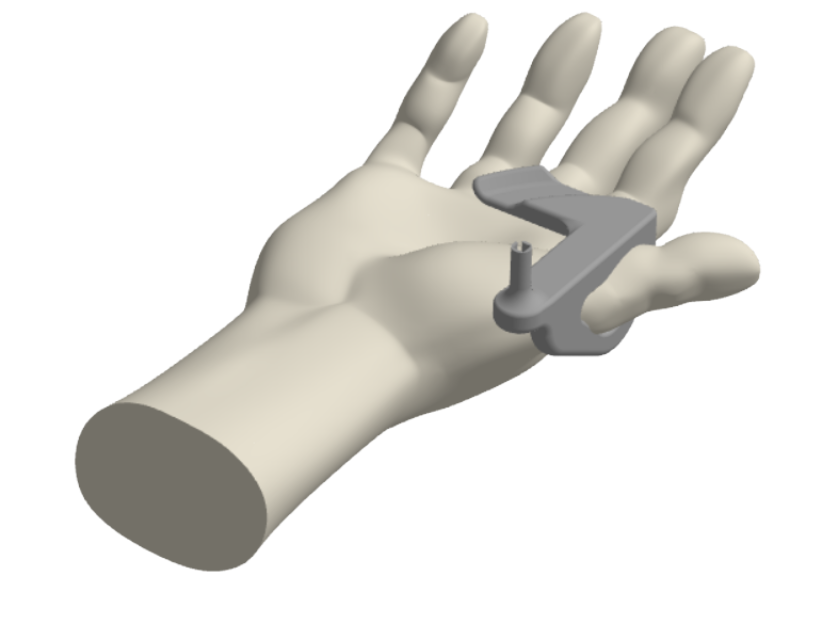
Hearing-Aid Handling Aid
A hand-worn clip that helps people with limited fine motor control hold and insert their own hearing aids.