TOM at UCSD × JSOE
Open-Source Running Blade
A low-cost, open-source running prosthesis that makes para-athletic sport easier to get into.
The problem
Running blades, the curved carbon-fiber prostheses used by amputee runners, store energy as the runner lands and return it at push-off. They’re what make running possible for many amputees. They also commonly cost thousands of dollars, and insurance often treats them as “recreational” and won’t cover them.
That price keeps many people, especially kids who are still growing, out of running and para-athletic sport. Through TOM, I worked with UCSD’s Jacobs School of Engineering (JSOE) to design a low-cost, open-source alternative.
How a running blade works
A blade is essentially a curved leaf spring. When the runner lands, the curve flattens and stores elastic energy. As the foot leaves the ground, the curve springs back and returns that energy. The design challenge is getting the stiffness right:
- Too stiff: a harsh ride with little energy return.
- Too soft: the blade bottoms out and feels unstable.
- Ideal stiffness depends on the runner’s weight and speed, so a good design has to be tunable.
Design
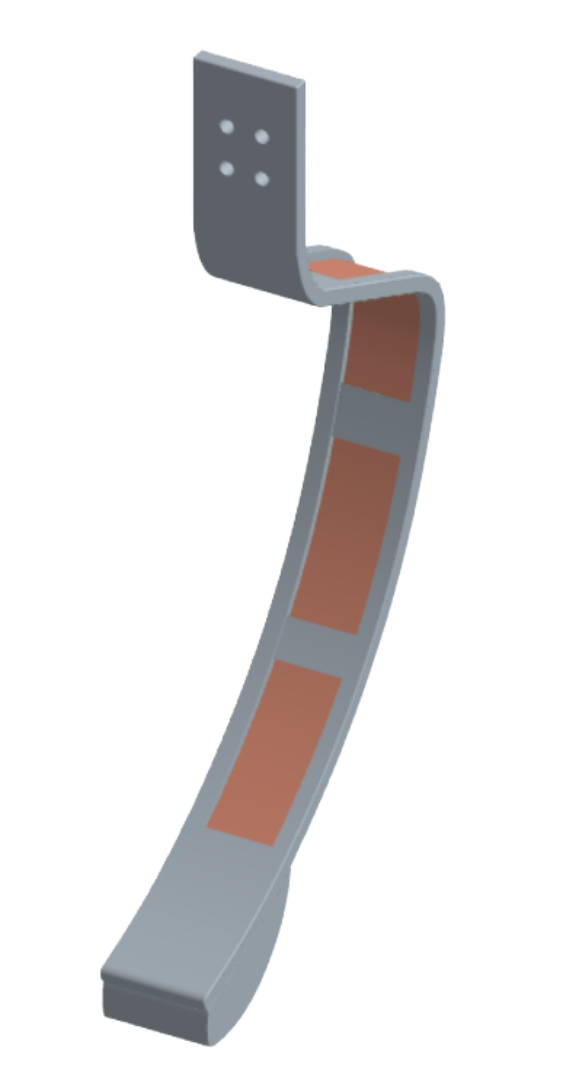
The blade uses a bi-layer construction:
- A continuous outer shell runs the full length and provides the main spring.
- Stiffening inserts (orange) sit along the curved section. Changing their size, count, or material tunes stiffness for each runner without redesigning the whole blade.
- A four-bolt mounting tab at the top attaches the blade to a standard socket adapter.
- A flat toe pad at the bottom gives a consistent contact surface for traction.
Analysis
I modeled the blade’s loading at landing and push-off to estimate peak stress and deflection, and sized the layers so the blade flexes enough to return energy while keeping stress safely below the material’s limits.
Status & next steps
The blade is at the design stage. Next steps:
- Fabricate prototypes and run mechanical tests to measure stiffness.
- Fit trials with runners.
- Publish the CAD files and build instructions as open source, so anyone can make and adapt one.
Why it matters
Lowering the cost of a running blade from thousands of dollars to the cost of materials means more independence for amputee athletes, and a much lower barrier to entry for para-athletic sports.
Related projects
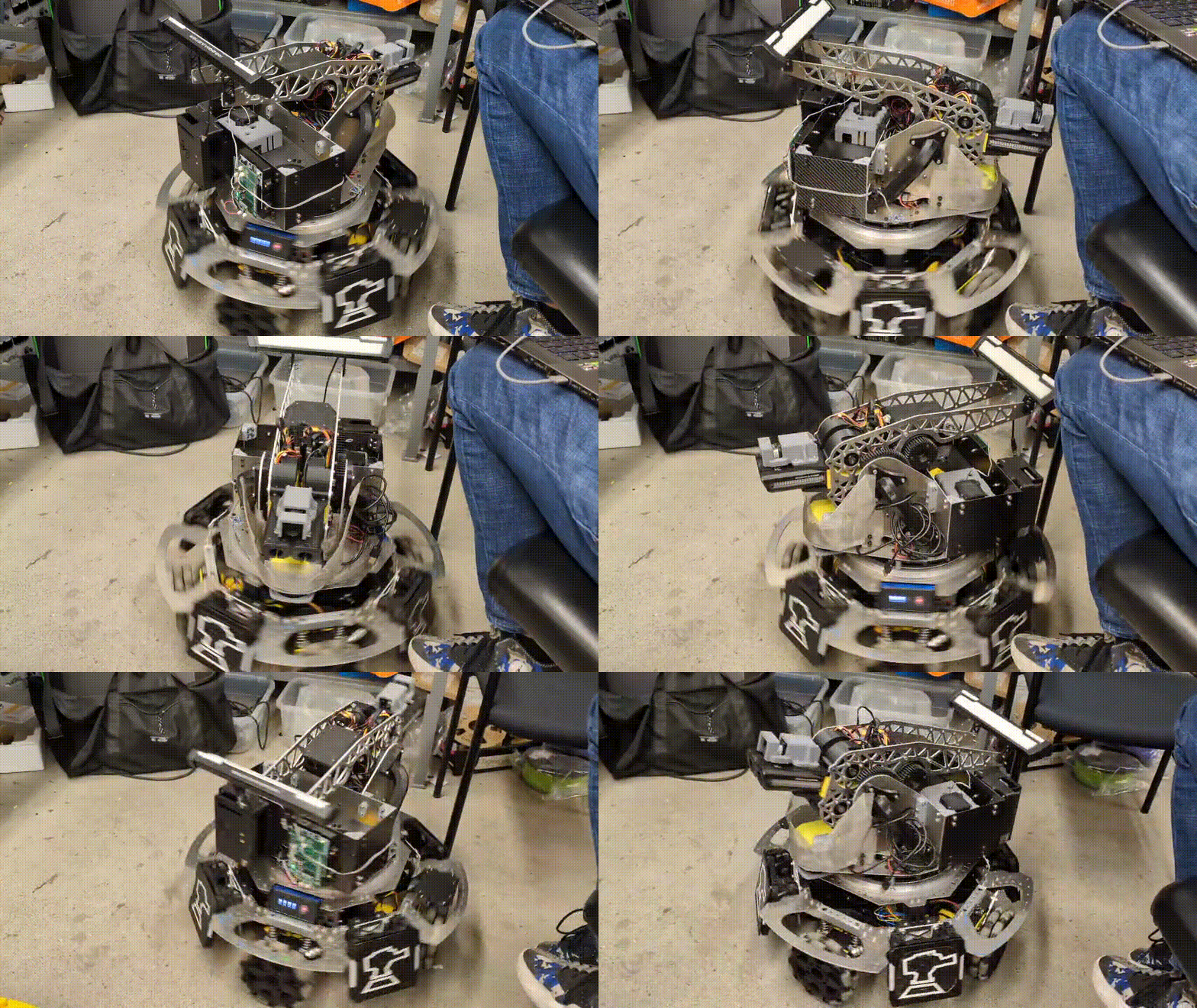
Triton Robotics · 2023 – 2025
Sentry: Autonomous Mobile Turret
A redesigned, fully autonomous mobile turret for the DJI RoboMaster North America championships, ~50% lighter, with turret response 4× faster and Jetson-powered targeting.
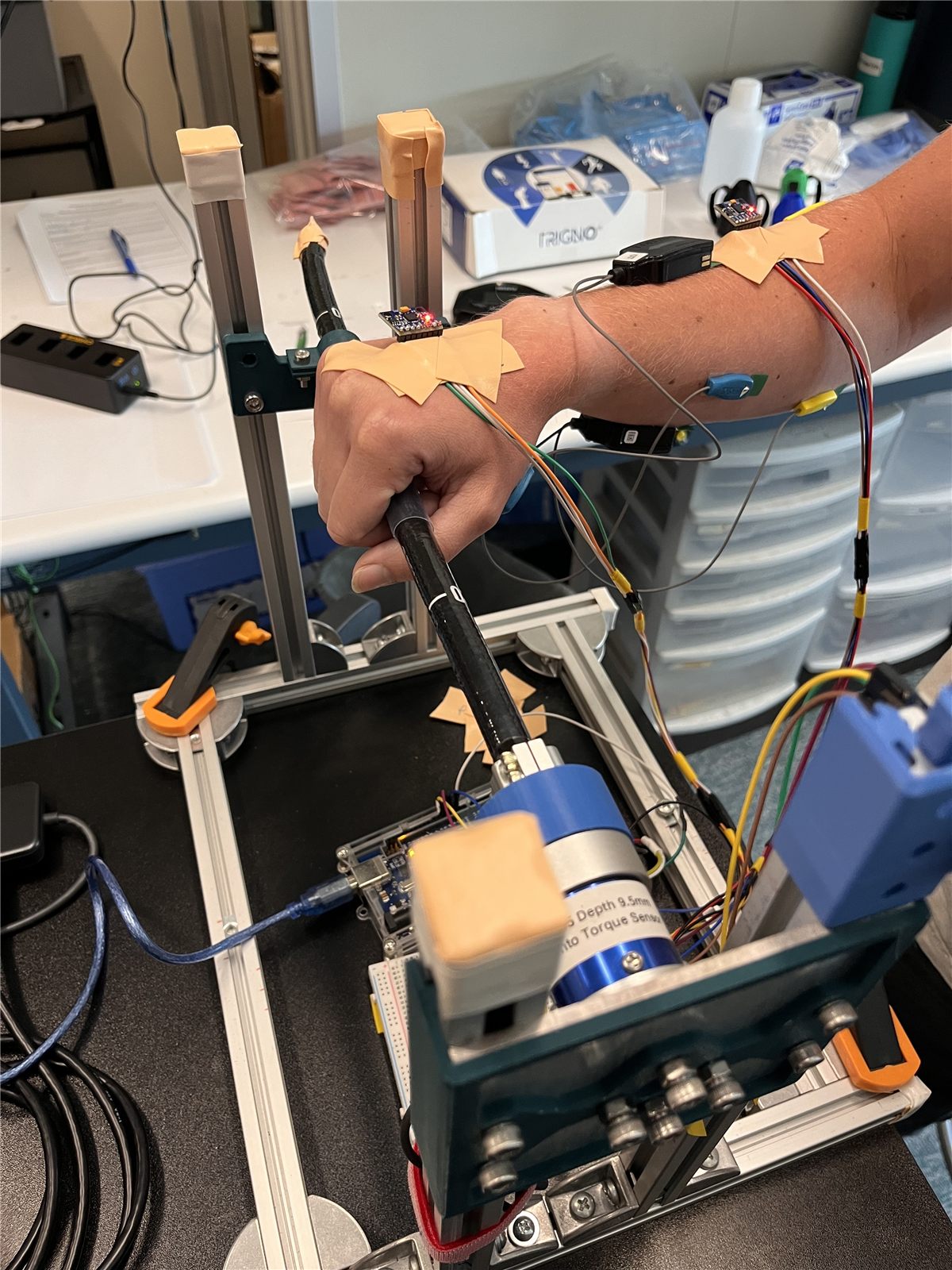
UCSD Delson Engineering Lab · 2023 – 2024
Colonoscope Manipulation Tools & Test Rig
External tools that make colonoscopes easier to handle, plus a portable rig for collecting torque and EMG data on a colonoscopy simulator.
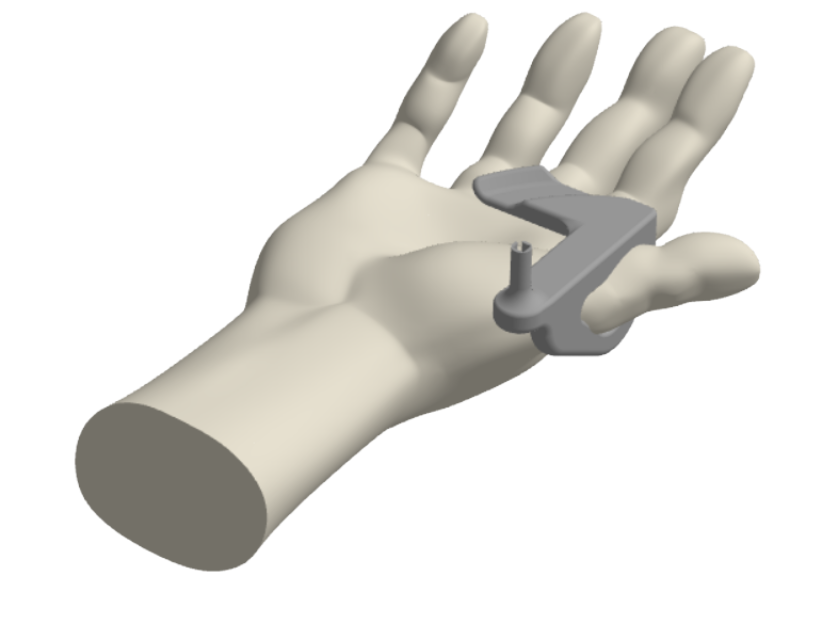
TOM at UCSD · 2024 – 2025
Hearing-Aid Handling Aid
A hand-worn clip that helps people with limited fine motor control hold and insert their own hearing aids.